When people hear “testosterone,” they almost automatically think of men. But testosterone plays a quiet, essential role in women’s health too — influencing everything from muscle tone and bone density to mood and sex drive. When levels drop, which happens gradually with age and more sharply during perimenopause, the effects can be subtle at first and then frustratingly persistent. That’s why more women are looking into Testosterone therapy for women as a way to address symptoms that estrogen-focused treatments alone don’t always resolve.
Why Women Need Testosterone in the First Place
Women’s ovaries and adrenal glands produce testosterone throughout life, just in smaller amounts than men’s bodies do. This hormone supports lean muscle mass, helps maintain bone strength, contributes to a healthy libido, and plays a role in mental clarity and motivation. Production naturally peaks in a woman’s twenties and then begins a slow decline — one that accelerates significantly during the menopausal transition.
By the time many women reach their forties and fifties, testosterone levels may have dropped by half compared to their younger years. Combined with declining estrogen, this dual shift often explains symptoms that don’t fully resolve with estrogen replacement alone.
See also: How Technology Is Changing Entertainment
Recognizing the Signs of Low Testosterone
The tricky part about low testosterone is that its symptoms overlap with general aging, stress, and other hormonal shifts, which makes it easy to dismiss or misattribute. Common signs include a noticeable drop in sex drive, persistent fatigue that doesn’t improve with rest, difficulty building or maintaining muscle despite regular exercise, and a general sense of mental fog or low motivation.
Some women also notice mood changes — not quite depression, but a flatness or lack of enthusiasm for things they used to enjoy. If estrogen therapy has already been tried and some symptoms persist, particularly around energy and libido, low testosterone is worth investigating.
How Testing and Treatment Typically Work
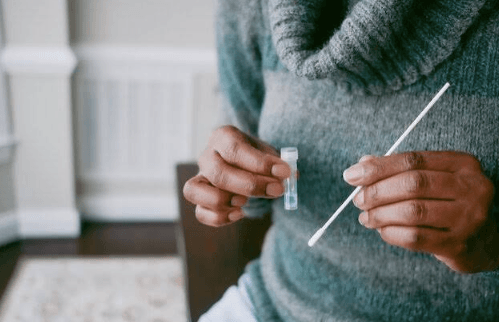
Getting started usually begins with bloodwork to measure total and free testosterone levels, alongside other relevant hormones like estrogen, progesterone, and thyroid markers. Since testosterone levels naturally fluctuate, your provider may want to test at a specific time of day or repeat testing to get an accurate baseline.
Once a deficiency is confirmed, treatment options include creams, gels, and pellet implants, all formulated at much lower doses than what would be prescribed for men. The goal isn’t to push testosterone to male-typical levels — it’s to restore the smaller amount your body naturally needs but has stopped producing in sufficient quantity.
What Results Typically Look Like
Women often report improvements in libido and energy within the first month of consistent treatment, though full effects on mood and muscle tone can take two to three months to become noticeable. Some women also mention sharper focus and a return of motivation that had quietly faded over the preceding years.
It’s worth setting realistic expectations, though. Testosterone therapy isn’t a dramatic overnight transformation — it’s a gradual recalibration. Tracking symptoms over the first few months helps both you and your provider determine whether the dose is working or needs adjustment.
Potential Side Effects to Watch For
Because dosing for women is so much lower than for men, side effects are generally mild when treatment is properly managed. That said, if levels run too high, some women experience acne, oily skin, or unwanted hair growth on the face or body. Voice changes are rare at appropriately low doses but are a sign to contact your provider immediately if they occur.
Regular follow-up bloodwork is the best safeguard against these issues, allowing your provider to fine-tune the dose before side effects become bothersome.
Combining Testosterone with Other Hormone Treatments
Testosterone therapy is rarely used in isolation. Most providers consider it part of a broader hormone optimization plan that may include estrogen and progesterone, especially for women in perimenopause or menopause. Addressing all three hormones together tends to produce more balanced, complete symptom relief than focusing on just one.
If you’re already on estrogen therapy and still struggling with low libido, fatigue, or that hard-to-describe mental fog, it’s a reasonable conversation to bring up at your next appointment.
Finding the Right Provider
Not every general practitioner is well-versed in testosterone therapy for women, since it’s still a less commonly prescribed treatment compared to estrogen. Seeking out a provider who specializes in hormone health — and who’s comfortable running comprehensive panels and adjusting doses based on your actual lab results — makes a meaningful difference in how well your treatment works.
Final Thoughts
Testosterone doesn’t get nearly as much attention in conversations about women’s hormone health, but its impact on daily quality of life is significant. If you’ve been chasing your energy and motivation for months without answers, it might be time to ask your provider about testing your levels. Sometimes the missing piece isn’t a new diagnosis — it’s simply a hormone that’s been overlooked all along.