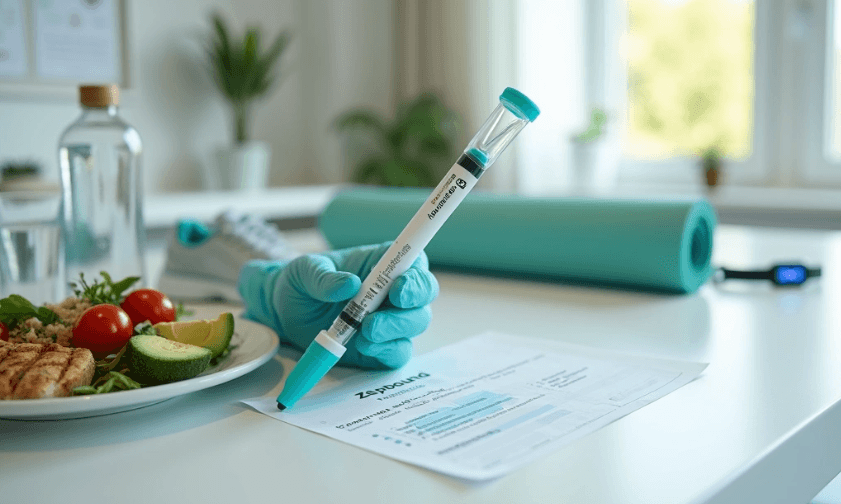
Across the past year, Zepbound singapore has emerged as one of the most closely followed medical weight loss options for people in Singapore who want a clinically backed and durable way to manage their body weight. With public understanding of obesity, insulin resistance, and long term metabolic health continuing to deepen, Zepbound is increasingly viewed as a modern treatment that tackles weight at a physiological level instead of depending on diet and exercise alone.
Zepbound is a prescription therapy created specifically for ongoing weight management. Its active ingredient is tirzepatide, a molecule that engages two hormones central to appetite and energy regulation, GLP one and GIP. These hormones shape how the body manages hunger, responds to insulin, and stores fat. By influencing both pathways at once, Zepbound delivers a broader effect than earlier treatments that act on only a single mechanism.
Within Singapore, shifting daily habits have steadily contributed to rising rates of obesity and the conditions that accompany it. Demanding work schedules, the constant availability of calorie rich meals, and falling levels of physical movement have made healthy weight harder to sustain. Diet and exercise still matter a great deal, yet they are not always sufficient for people facing hormonal imbalance or stubborn metabolic resistance. Zepbound helps close that gap by providing a supervised medical option that complements lifestyle effort.
A central way the treatment works is through appetite reduction. It acts on the hunger signalling regions of the brain, allowing people to feel satisfied with smaller servings. This lowers overall intake without the constant strain that usually defines restrictive dieting. Alongside this, it slows the rate at which the stomach empties, so food lingers longer and fullness is extended, which discourages grazing and oversized meals.
Blood sugar stability is another meaningful benefit. By sharpening the body’s response to insulin, Zepbound helps keep glucose levels steady and reduces the sharp peaks and dips that often trigger cravings. Steadier blood sugar supports more even energy through the day and makes consistent eating habits easier to hold.
The medication also encourages the body to draw on stored fat for fuel. Rather than depending heavily on incoming calories, the system grows more efficient at using existing reserves. Combined with sensible nutrition and movement, this drives steady, sustainable progress over the weeks and months that follow.
Zepbound is generally considered for individuals with a body mass index of thirty or above, or those at twenty seven and above who also carry related conditions such as type two diabetes or high blood pressure. It is not designed for brief or cosmetic use; rather, it serves as a longer term treatment for people who genuinely need structured clinical support.
Set against other weight loss medicines available locally, Zepbound is distinguished by its dual hormone action and its convenience. Saxenda calls for daily injections, whereas Zepbound is usually given once each week. Wegovy works on a single hormone route, while Zepbound engages two, which frequently translates into stronger results.
Clinical trials indicate that people taking Zepbound may lose somewhere between fifteen and twenty two percent of their body weight. Such figures clearly exceed what diet and exercise alone tend to achieve, though individual outcomes still depend on factors like consistency, eating patterns, and personal metabolism.
Treatment begins with a consultation in which a clinician reviews medical history and assesses suitability. After it is prescribed, the dose is raised in stages so the body can adapt and side effects stay manageable. Ongoing reviews keep the process safe and effective from start to finish.
Frequently reported side effects include nausea, mild stomach discomfort, and tiredness. These tend to be short lived and usually ease as treatment continues. Careful dosing under medical guidance further lowers the chance of more serious problems.
The therapy performs best when paired with practical lifestyle change. Patients are encouraged to eat in a balanced way, stay physically active, and build routines that reinforce long term weight control. The medication functions as a tool that makes those changes far easier to sustain.
Across Singapore, access to Zepbound is set to widen as more clinics introduce structured medical weight loss programmes. Obtaining it through properly licensed providers remains essential for safety and sound clinical oversight.
Zepbound signals a change in how weight loss is understood. Instead of leaning entirely on willpower, it targets the biological drivers behind weight gain, which makes it a compelling choice for people who have repeatedly struggled with conventional approaches.
Viewed over the longer term, the benefits extend past the scale. Reduced weight can lift overall health, lower the risk of chronic illness, and improve daily quality of life. As familiarity grows, it is likely to become a fixture within local weight management strategies.
The treatment also sits comfortably within a wider move toward evidence led care, where therapies are built around how the body genuinely operates. Rather than imposing rigid habits that are hard to maintain, it supports natural appetite control and metabolic balance, which makes adherence easier and results more durable.
Patient education adds another layer to its effectiveness. People who grasp how the medication works are far more likely to follow it correctly and pair it with the right adjustments, including balanced meals, better stress management, and sufficient rest, all of which influence weight.
See also: Curious About Your DNA? Here’s What You Need to Know First
In everyday clinical practice, Zepbound often forms part of a wider programme that includes dietary coaching and behavioural support. This joined up approach lifts the odds of success and helps patients build habits that outlast the medication itself.
Singapore’s healthcare system is well placed to support treatments of this kind. With skilled professionals and advanced facilities, patients can receive personalised care matched to their goals and circumstances.
As the science keeps developing, therapies similar to Zepbound are likely to become more refined and more widely available, reflecting a clearer view of obesity as a complex condition that needs more than lifestyle change alone.
Anyone weighing up Zepbound should approach it with grounded expectations. It can produce notable change, yet it is not an overnight fix. Progress unfolds gradually and rewards consistency, and for those who stay the course the results can be genuinely transformative.
In the end, Zepbound offers a modern, scientifically grounded route to weight loss that fits the realities people in Singapore face. By addressing appetite and metabolism together, it provides a powerful means of reaching and holding a healthier weight.