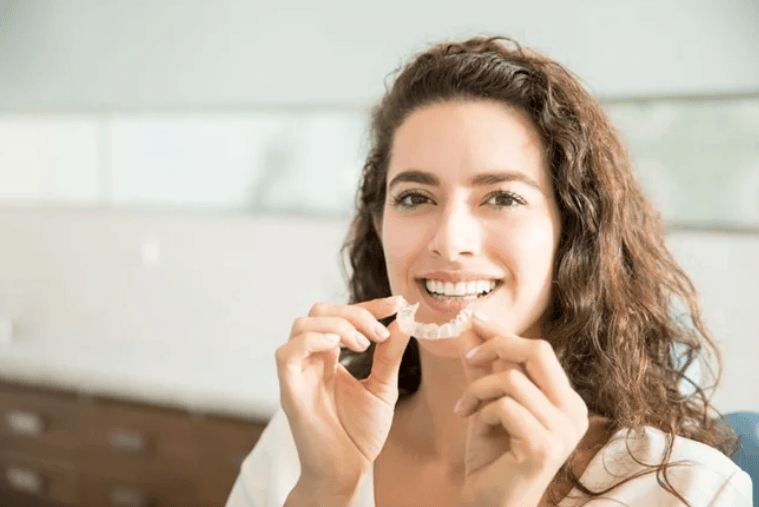
Clear aligners like Invisalign Singapore have transformed orthodontic treatment by providing a discreet and convenient alternative to traditional braces. Their transparent appearance and removable design have made them a popular choice among adults and teenagers seeking a straighter smile.
However, like all forms of orthodontic treatment, clear aligners work by applying controlled forces to move teeth through the jawbone. This process involves complex biological changes within the surrounding bone and supporting tissues. While orthodontic treatment is generally considered safe when properly planned and monitored, it is important for patients to understand the potential risks and the importance of ongoing professional supervision.
1. What Is Root Resorption?
One potential complication associated with orthodontic treatment is External Apical Root Resorption (EARR), a condition in which the tips of the tooth roots become shortened over time.
Mild root resorption can occur during orthodontic treatment and is often detected only through radiographic examination. In many cases, the degree of shortening is minimal and does not affect the long-term function of the teeth.
In a smaller number of cases, more significant root resorption may occur. The likelihood and severity can be influenced by multiple factors, including individual biological responses, tooth anatomy, treatment complexity, previous dental trauma, and treatment duration.
Because every patient responds differently to orthodontic forces, regular monitoring throughout treatment remains important.
2. Why Professional Monitoring Matters
Successful orthodontic treatment involves more than simply moving teeth into straighter positions. Providers must also monitor the health of the teeth, gums, roots, and supporting bone throughout the treatment process.
Regular review appointments allow dentists and orthodontists to assess treatment progress, identify any concerns, and make adjustments where necessary. These reviews help ensure that tooth movement remains both effective and biologically appropriate.
Patients should also understand that treatment plans may occasionally require modification if the teeth are not responding as expected. Adjustments to aligner wear schedules, treatment objectives, or clinical procedures may be recommended based on individual progress.
3. The Role of Diagnostic Imaging
Diagnostic imaging plays an important role in orthodontic care. X-rays taken before treatment help clinicians evaluate tooth roots, bone levels, impacted teeth, and other factors that may influence treatment planning.
In some cases, additional radiographs may be recommended during treatment, particularly for more complex cases or where closer monitoring is clinically indicated.
These assessments allow dental professionals to evaluate structures that cannot be seen during a routine visual examination and to ensure that treatment continues safely and effectively.
See also: Curious About Your DNA? Here’s What You Need to Know First
Making Informed Treatment Decisions
Clear aligner treatment can provide excellent results when supported by appropriate treatment planning, regular monitoring, and good patient compliance.
Before beginning treatment, patients should feel comfortable discussing potential risks, expected outcomes, and monitoring protocols with their provider. Understanding both the benefits and limitations of orthodontic treatment can help patients make informed decisions and approach their treatment journey with realistic expectations.
Ultimately, the goal of orthodontic treatment is not only to achieve a straighter smile, but also to maintain the long-term health and stability of the teeth and supporting structures.