There’s a persistent idea that eating well is expensive, and the wellness industry does very little to discourage it. Superfood powders, cold-pressed juices, imported ancient grains, and subscription meal kits all carry a substantial premium that has remarkably little to do with nutrition. The message, rarely stated outright but constantly implied, is that a healthy diet is something you buy rather than something you cook.
The reality is considerably more encouraging. Some of the most nutrient-dense foods in any supermarket are also among the cheapest things on the shelf, and they have been for decades. Lentils have not become less nutritious because they went out of fashion. A genuinely good diet is far more achievable on a tight budget than most people assume, but it requires knowing where the value actually sits rather than where the marketing points.
It also helps to know what you’re aiming for. Without a sense of your own requirements for protein, fibre, iron, calcium, and the rest, it’s easy to spend money solving problems you don’t have. A quick look at a DRI calculator will show your personal daily targets, which makes it much easier to see whether your current shopping is falling short or whether you’re paying a premium for nothing.
Legumes Are the Best Value in the Supermarket
Here’s where the genuine value is. If there’s a single category that deserves more of your grocery budget, it’s dried and canned legumes.
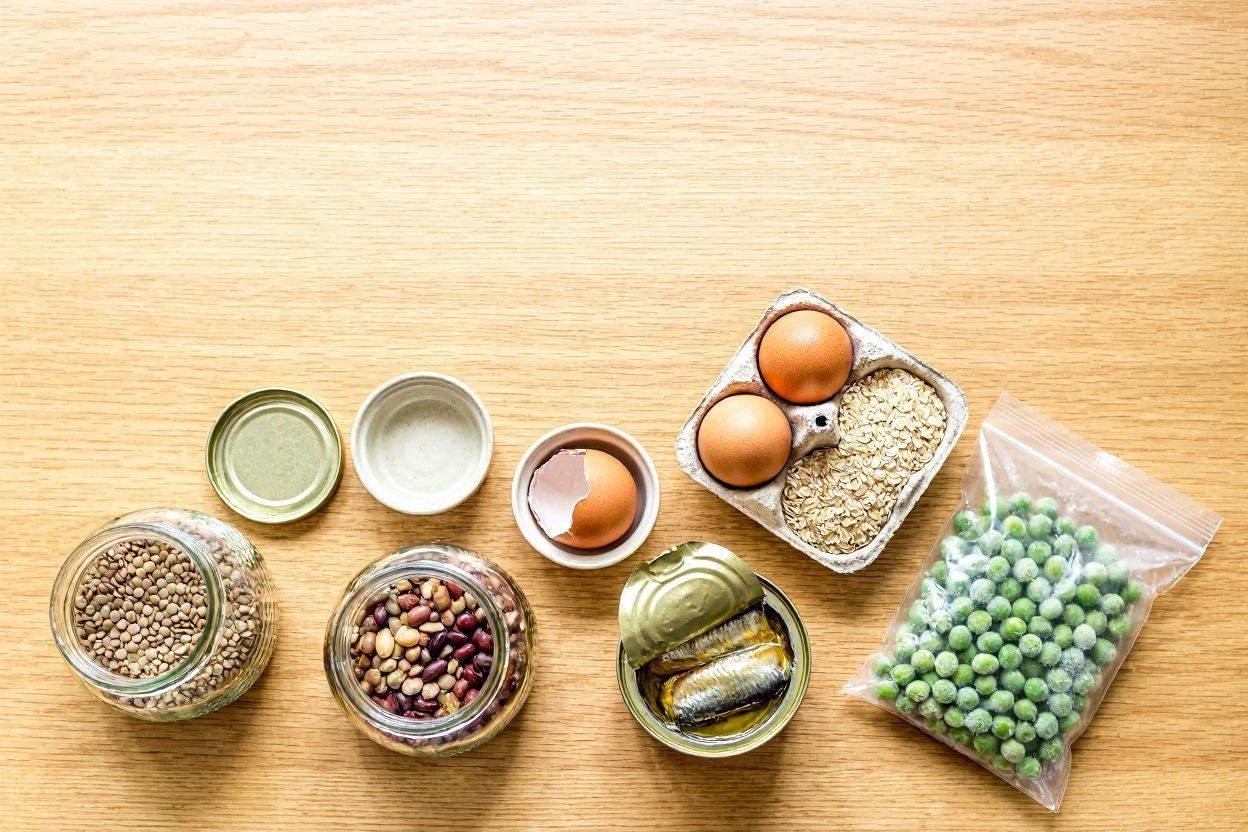
Lentils, chickpeas, black beans, kidney beans, and split peas deliver protein, fibre, iron, folate, magnesium, and potassium in one inexpensive package. A bag of dried lentils typically costs less than a single takeaway coffee and stretches across several meals. Per gram of protein and per gram of fibre, nothing else in the shop comes close on price.
Dried is cheapest, though it requires planning. Canned beans cost somewhat more but remove the soaking and long cooking time, and rinsing them under the tap removes a good portion of the added sodium. Either version works, and the convenience of canned is often worth the small premium if it means you actually use them.
The practical move is to build two or three meals a week around legumes: a lentil soup, a chickpea curry, beans folded into a pasta sauce or a chilli. This reduces your weekly spend and simultaneously improves the fibre content of your diet, which is the nutrient most people fall furthest short on.
Frozen Produce Beats Fresh on Price and Often on Nutrients
The assumption that fresh always beats frozen is one of the more expensive misconceptions in everyday shopping.
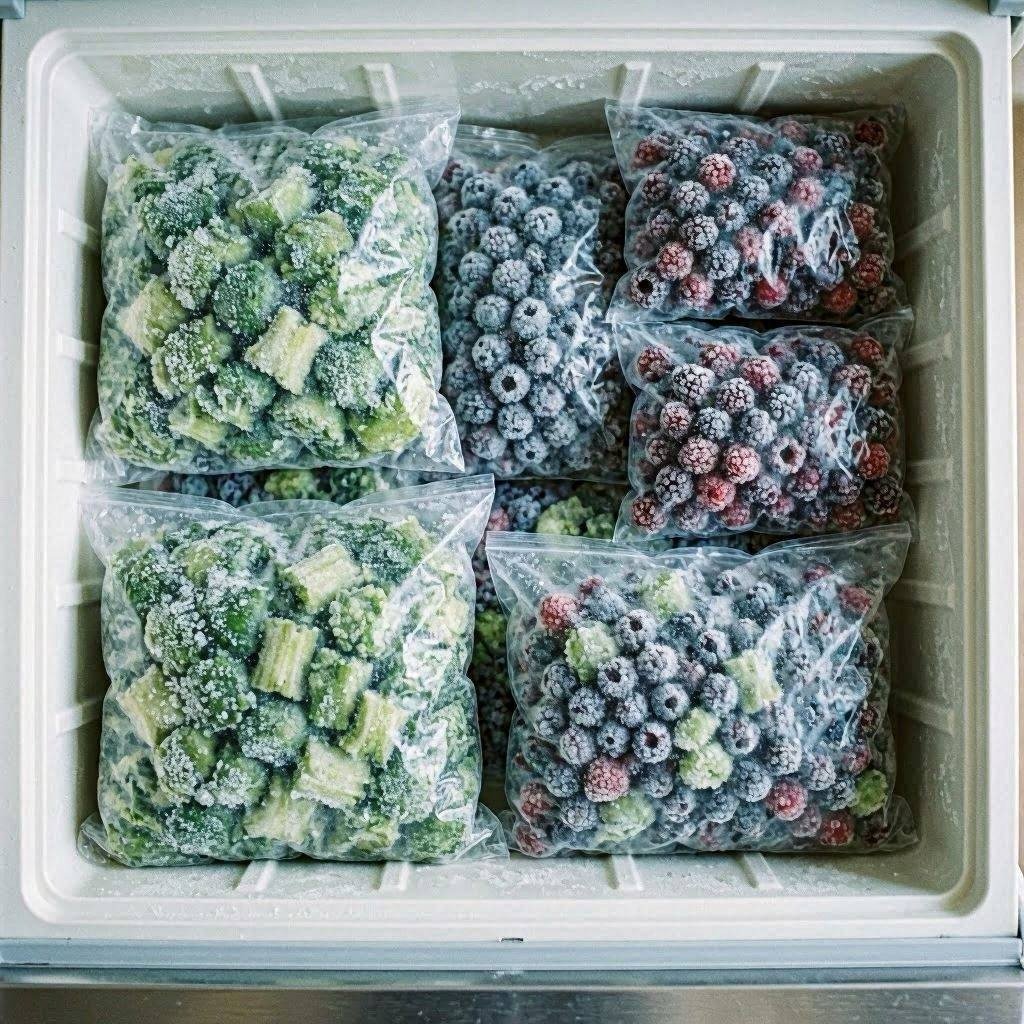
Frozen vegetables and fruit are typically harvested at ripeness and frozen within hours, which locks in their nutrient content effectively. Fresh produce, by contrast, may spend days in transit, in storage, and on display, steadily losing vitamin content throughout. Depending on the item and the supply chain, frozen can genuinely be the more nutritious option, and it’s almost always the cheaper one.
Frozen also eliminates waste, which is where a great deal of grocery money quietly vanishes. A bag of frozen spinach used gradually across two weeks costs a fraction of fresh spinach bought with good intentions and thrown away half-used. Household food waste is one of the largest hidden costs in any food budget, and frozen produce addresses it directly.
Keep frozen peas, spinach, mixed vegetables, and berries as standing items. They require no planning, don’t spoil, and turn a thin meal into a complete one.
Cheap Protein That Isn’t Meat
Meat is usually the single most expensive line on a grocery receipt, and reducing it is the fastest way to cut costs without cutting nutrition.
Eggs remain outstanding value: a complete protein with choline for brain function and lutein for eye health, at a price per serving that few things match. Canned fish is the other standout. Sardines and mackerel are inexpensive, keep indefinitely, and provide omega-3 fats, and sardines eaten with their bones deliver a substantial amount of calcium in the bargain.
Beyond those, oats, peanut butter, own-brand plain yoghurt, and dried beans all provide meaningful protein for very little. None of these are exotic and none require a specialist shop. Collectively they can carry the protein content of an entire week’s eating at a fraction of what the equivalent in meat would cost.
This isn’t an argument for eliminating meat. It’s an argument for not defaulting to it at every meal, which is largely a habit rather than a nutritional necessity.
Where the Money Actually Goes to Waste
Three categories consistently drain food budgets while giving back very little.
The first is convenience produce. Pre-cut, pre-washed, and pre-portioned fruit and vegetables carry a markup that can be several times the whole equivalent. You’re paying for someone else’s knife work, and it typically spoils faster.
The second is single-serving packaging. Individually wrapped snacks, small yoghurt pots, and portioned nuts cost dramatically more per gram than the bulk versions. Buying larger and dividing at home takes a few minutes a week and saves a meaningful amount over a year.
The third, and the most expensive of all, is speculative supplementation. Multivitamins, greens powders, and single-nutrient pills bought on the general belief that they’re probably a good idea add up quickly, and most people taking them have never established whether they were short of anything in the first place. Food-first is both the better-evidenced approach and the cheaper one, and knowing your actual targets is what tells you whether a genuine gap exists.
Making It Work Week to Week
The practical version of this is simpler than a meal plan. Keep a small set of staples permanently stocked: dried or canned legumes, oats, eggs, canned fish, frozen vegetables, and a bag of rice or pasta. Between them, those items can produce dozens of meals without any single one requiring a special trip.
Cook slightly more than you need and eat the remainder the next day, which cuts both cost and effort. Buy the whole vegetable rather than the prepared version. And treat supplements as a response to a known shortfall rather than a general precaution.
None of this requires unusual skill or a large amount of time. It mostly requires spending money on ingredients rather than on convenience and packaging.
See also: BPC-157 alternatives, weighed honestly: TB-500, the stack, and the question of where
Frequently Asked Questions
Is eating healthily really more expensive?
Not inherently. Staples like lentils, beans, oats, eggs, frozen vegetables, and canned fish are simultaneously among the cheapest and most nutritious items available. The expense in most food budgets comes from convenience products, prepared foods, and supplements rather than from good ingredients.
Are frozen vegetables as good as fresh?
Generally yes, and in some cases better. Frozen produce is usually processed within hours of harvest, preserving nutrients well, while fresh produce can lose vitamin content during transport and storage. Frozen also lasts far longer, which cuts waste significantly.
What’s the single best budget swap?
Replacing one or two meat-based meals per week with lentils or beans. It reduces cost noticeably, adds a large amount of fibre, and requires no new cooking skills.
Do I need a multivitamin if I’m on a tight budget?
Most people eating a varied diet don’t, and the money is usually better spent on food. If you have a specific reason to suspect a shortfall, that’s worth discussing with a doctor rather than guessing at a supplement aisle.
Final Thoughts
Eating well on a limited budget isn’t a matter of clever tricks or obscure hacks. It comes down to shifting spending away from convenience and marketing and toward a small group of staples that happen to be both inexpensive and genuinely nutritious.
Legumes, oats, eggs, frozen produce, and canned fish will carry the bulk of a good diet between them. Cook a little more, buy a little less packaging, and hold off on supplements until you have reason to think you need them.
If you’re not sure whether your current eating actually meets your requirements, that’s worth establishing before spending anything else. The free DRI calculator gives you personalised daily targets for calories, protein, vitamins, and minerals in a couple of minutes, and it’s a far cheaper way to find a genuine gap than buying supplements on the assumption that one exists.